The Benefits of Going with Flat Roofing for Your Property
Flat roofing provides a practical option for various property owners. Its design enables optimal use of materials and space. Lower costs and servicing requirements make it increasingly attractive. Moreover, flat roofs can enhance operational efficiency and environmental stewardship. However, myths often cloud their merits. Learning these considerations can help homeowners make informed decisions about their roofing choices. What perks might flat roofing contribute to your property?
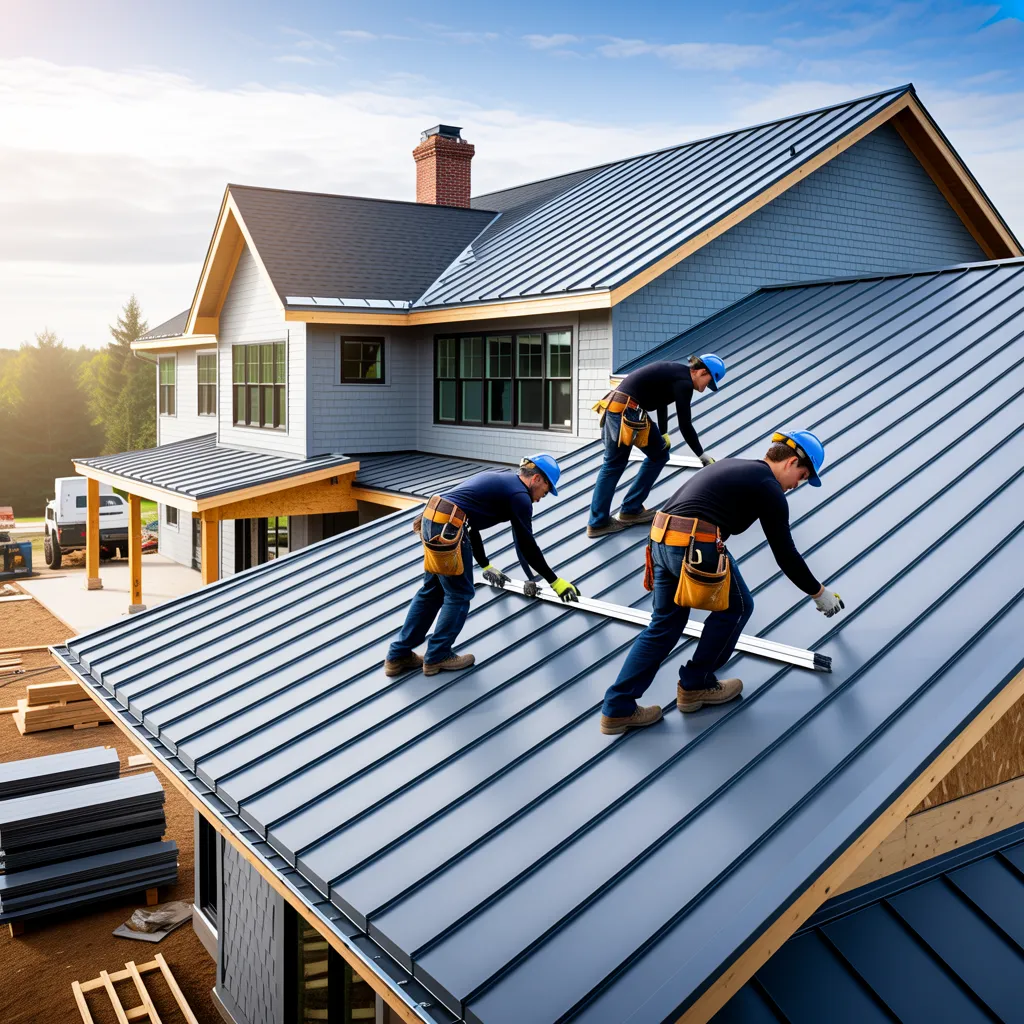
Why Evaluate Flat Roofing for Your Property?
When considering roofing options, property owners may find that flat roofing provides clear advantages. One major benefit is cost-effectiveness. Flat roofs usually require fewer materials than sloped designs, contributing to lower installation expenses. Additionally, maintenance tends to be more uncomplicated, allowing for easier access during inspections and repairs.
One more advantage exists in durability. Many roofing solutions for flat surfaces, including TPO or EPDM, are engineered to withstand harsh weather conditions, delivering persistent protection. This resilience can decrease the frequency of replacements or repairs, further maximizing cost savings over time.
Furthermore, flat roofs can streamline the installation of energy-efficient systems, such as solar panels or green roofs, which may lead to long-term energy savings. In summary, flat roofing offers property owners a practical solution that combines functionality, longevity, and potential economic benefits, making it a valuable option for various types of buildings.
Getting the Most Space From Flat Roofs
Flat roofs provide outstanding potential for increasing functional area in both commercial and residential properties. Unlike conventional sloped roofs, flat roofs provide a flexible space that can be utilized for various purposes. Roof gardens, decks, and outdoor lounges can enhance the aesthetic appeal and functionality of a building, generating extra leisure areas.
Within commercial settings, flat roofs can hold HVAC systems, solar panels, or even green roofs, boosting energy efficiency and sustainability. Additionally, the flat surface provides easier access and maintenance compared to sloped roofing systems.
This design also enables the development of vertical extensions, such as extra floors or rooftop offices, without damaging the current foundation of the building. By capitalizing on the flat roof's potential, building proprietors can greatly increase both their functional area and property value, making it a smart decision for increasing functionality and enjoyment.
Cost-Saving Level Roof Options
While numerous roofing solutions are presented, cost-effective flat visit this page roofing solutions distinguish themselves for their cost-efficiency and usefulness. Different materials can be employed, including modified bitumen, PVC, and EPDM rubber, each delivering special benefits at reasonable prices. Modified bitumen, as an example, is celebrated for its strength and ease of installation, making it a compelling option for price-sensitive property owners.
PVC roofs, while somewhat pricier, provide excellent energy efficiency and durability, ultimately reducing long-term expenses. EPDM rubber is another favored choice, valued for its flexibility and minimal upkeep needs.
These products not only reduce upfront costs but also help in conserving energy, resulting in further savings on energy costs. By selecting the right flat roofing option, property owners can attain a equilibrium between cost and efficiency, guaranteeing a economically viable expenditure that meets their needs successfully.
Keep Your Flat Roof Easily
Maintaining a flat roof can be straightforward, particularly when using affordable materials like modified bitumen, PVC, or EPDM rubber. These materials are designed for durability and require minimal upkeep, making them perfect for property owners seeking long-term solutions. Frequent check-ups are crucial, allowing for the prompt detection of potential problems such as pooling water or debris accumulation.
Maintaining the area regularly ensures that drainage systems stay clear, preventing water damage and extending the roof's life. Additionally, applying a sealant can improve protection to UV rays and increase the roof's longevity.
Instead of peaked roofs, flat-topped roofs allow better access for maintenance duties, reducing the possibility of accidents during inspections or repairs. Ultimately, the ease of preserving a flat roof, together with the proper materials, can afford important savings and peace of mind for property owners.
Energy Efficiency and Sustainability
Enhancing power conservation and environmental responsibility is a significant benefit of flat roofing systems. These roofs often feature components that reflect sunlight, decreasing heat uptake and reducing cooling costs during warmer months. This feature results in less reliance on air conditioning, which can substantially reduce energy usage and associated costs.
Additionally, even roofs can be outfitted with thermal barriers that strengthen heat retention, facilitating a comfortable indoor environment. The opportunity to add green roofing technologies further enhances sustainability. By limiting urban heat effects in urban areas, level roofs aid in improved air quality and lower energy demand.
Moreover, flat roofing is commonly simpler to service and repair, which can result in longer lifespans and reduced debris. Overall, the sustainable and environmentally responsible aspects of flat roofing systems make them an attractive choice for eco-conscious property owners seeking to decrease their environmental impact while experiencing economic benefits.
Multiple Uses: Rooftop Gardens and Solar Panels
Flat roofs deliver distinct possibilities for creative applications, such as rooftop gardens and solar panels. Rooftop gardens not only enhance aesthetics but also provide insulation and promote biodiversity. Meanwhile, the placement of solar panels on flat roofs maximizes energy efficiency, harnessing sunlight efficiently to reduce utility costs.
Rooftop Garden Rewards
Rooftop gardens deliver substantial rewards, effortlessly weaving nature into urban spaces. These cultivated zones boost aesthetic value, converting unremarkable rooftops into vibrant havens. They also supply crucial environmental benefits, including boosting air quality and minimizing urban heat via natural cooling methods. In addition, rooftop gardens can work as flexible locations, offering areas for relaxation, community events, or even urban farming. They advance biodiversity by forming habitats for numerous species, supporting ecological equilibrium throughout city areas. Additionally, these gardens can assist in stormwater runoff reduction, decreasing flooding risks. In conclusion, the addition of rooftop gardens represents a renewable approach that strengthens both property value and the quality of life for urban residents.
Solar Panel Capability
An increasing amount of property holders and businesses are noticing the efficiency of solar panels as a powerful tool for renewable energy generation. Flat roofs provide an perfect platform for solar panel installation due to their unobstructed exposure to sunlight. Such positioning allows peak efficiency, boosting energy collection during daylight hours. The uniform surface of flat roofing enables simpler maintenance and installation relative to sloped roofs. The integration of solar panels can considerably reduce energy costs, making properties more sustainable. Also, combining solar panels and rooftop gardens increases insulation and cuts urban heat, illustrating the versatility of flat roofing. Finally, the integration of solar energy with flat roofs promotes environmental sustainability and yields financial rewards.
Common Misconceptions About Flat Roof Installation - What Do You Know?
What misunderstandings involve flat roofing? Many property owners believe that flat roofs are prone to leaks and need more care than sloped roofs. However, modern materials and technology have considerably strengthened their resilience and water resistance. Another common myth is that flat roofs lack aesthetic appeal. In reality, they present adaptability in design and can accommodate rooftop gardens or solar panels, improving both functionality and appearance. Some also argue that flat roofs cannot handle heavy snow or rain. In truth, proper drainage systems can competently manage these conditions. Finally, there is a conviction that flat roofing is less energy-efficient. When installed correctly with adequate insulation, flat roofs can provide excellent energy savings. By debunking these myths, property owners can make informed decisions about the benefits and practicality of flat roofing solutions.
Frequently Posed Questions
How long does a flat roof typically last?
A flat roof generally lasts between 15 to 30 years, based on materials used, installation quality, and maintenance. Regular checks and timely repairs can extend its lifespan considerably beyond the average duration.
Which Materials Perform Well for Flat Roofing?
The best options for flat roofing include PVC, TPO, EPDM rubber, and modified bitumen. Each offers special perks, such as strength, energy savings, and weather protection, making them favored choices for different applications.
Is setting up a flat roof myself something I can do?
Setting up a flat roof by yourself is achievable for those with suitable competencies and knowledge. However, it necessitates careful strategizing, correct components, and conformity to local building codes to guarantee resilience and security throughout the installation process.
How effectively can level roofs handle heavy rain?
Flat roofs control heavy rain through effective drainage systems, including internal gutters and scuppers. Correct setup and upkeep are vital to prevent pooling and potential water damage, ensuring durability and performance in adverse weather conditions.
What Are the Leading Drainage Methods for Flat Roofs?
Effective drainage solutions for flat roofs incorporate internal drains, scuppers, and tapered insulation. These systems facilitate water flow towards designated drainage points, preventing ponding and potential structural damage from accumulated water during heavy rainfall.